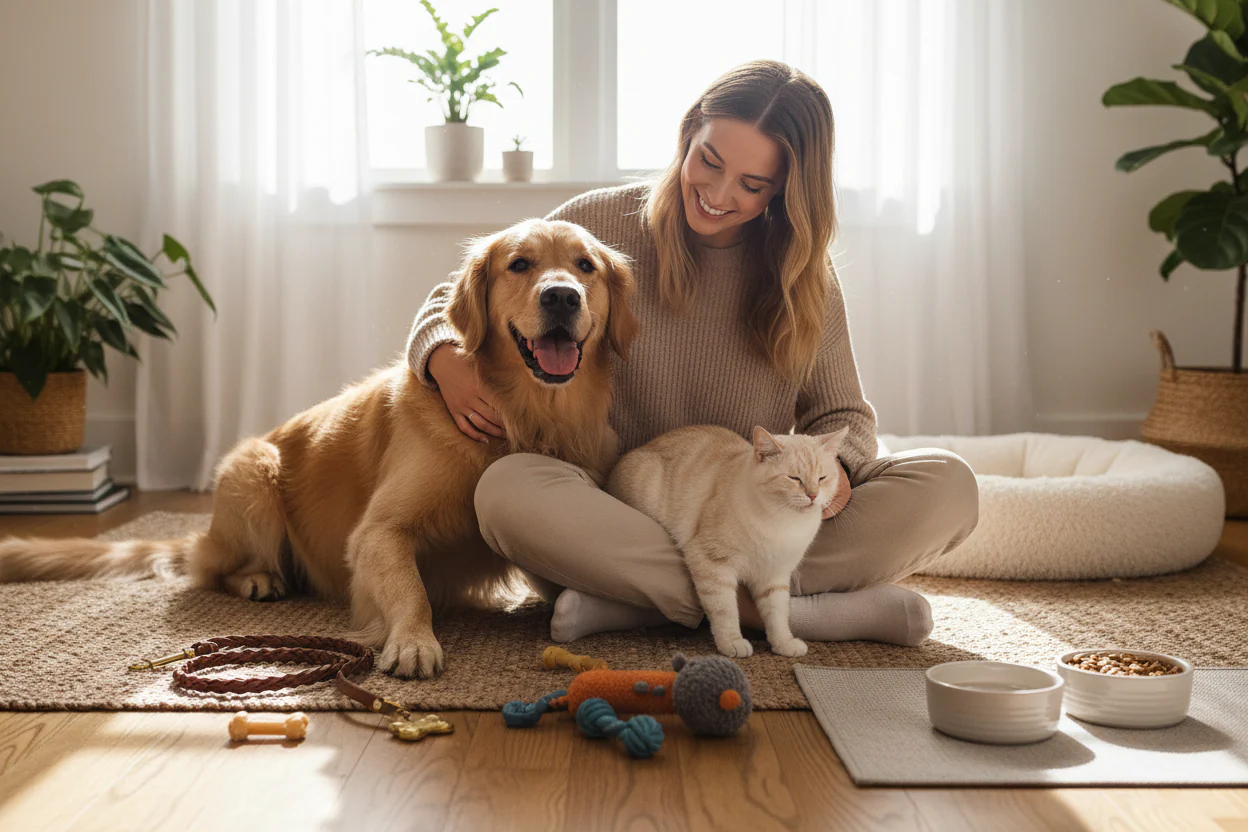
Pets bring companionship, joy, and emotional comfort to millions of households. Whether you own a dog, cat, bird, rabbit, or fish, responsible pet care is essential for ensuring your companion lives a long and healthy life. Proper nutrition, regular grooming, mental stimulation, and veterinary care all contribute to the overall well-being of your pet.
This guide explores essential pet care practices that every pet owner should know.
Understanding Your Pet’s Basic Needs
Every pet, regardless of species, requires a few fundamental things to thrive. Understanding these needs helps prevent health issues and behavioral problems.
Essential Requirements for All Pets
1. Proper Nutrition
A balanced diet is the foundation of good health. Different animals require different nutrients depending on their species, size, and age.
Key tips include:
- Choose high-quality pet food appropriate for the species and age.
- Maintain consistent feeding times.
- Avoid feeding pets harmful human foods such as chocolate, onions, or excessive salt.
- Ensure clean, fresh water is always available.
2. Comfortable Living Environment
Your pet’s living space should be safe, clean, and comfortable.
Important considerations:
- Provide adequate shelter and bedding.
- Maintain a clean habitat or cage.
- Keep the temperature suitable for the animal’s species.
- Remove hazardous objects or toxic plants.
3. Regular Veterinary Care
Routine health checkups help detect potential problems early.
A proper veterinary routine includes:
- Annual or biannual health examinations
- Vaccinations
- Parasite prevention (ticks, fleas, worms)
- Dental checkups
Early diagnosis often prevents serious illnesses.
Nutrition and Feeding Best Practices
Feeding your pet correctly ensures strong immunity, healthy weight, and overall vitality.
Balanced Diet Matters
Pets need nutrients such as:
- Proteins for muscle development
- Fats for energy
- Carbohydrates for metabolic support
- Vitamins and minerals for immune health
Portion Control
Overfeeding is one of the leading causes of pet obesity. To prevent this:
- Follow recommended feeding guidelines.
- Adjust portions based on activity levels.
- Avoid excessive treats.
Age-Specific Nutrition
Different life stages require different nutrition.
- Puppies and kittens: Higher protein and calorie intake
- Adult pets: Balanced maintenance diets
- Senior pets: Lower calories with joint and digestive support
Grooming and Hygiene
Grooming is more than just keeping pets clean—it also helps detect health problems early.
Regular Grooming Practices
Essential grooming tasks include:
- Brushing fur to prevent matting
- Bathing when necessary
- Nail trimming
- Cleaning ears
- Dental care
Long-haired animals require more frequent grooming than short-haired breeds.
Dental Hygiene
Dental disease is extremely common in pets. Preventive measures include:
- Brushing teeth using pet-safe toothpaste
- Dental chews
- Regular veterinary dental cleanings
Exercise and Mental Stimulation
Physical activity and mental engagement are critical for preventing boredom and destructive behavior.
Physical Exercise
Daily exercise benefits include:
- Weight control
- Strong muscles and joints
- Reduced anxiety
- Improved behavior
Dogs typically require daily walks and playtime, while cats benefit from interactive toys and climbing structures.
Mental Enrichment
Stimulating your pet’s mind can prevent stress and boredom.
Ideas include:
- Puzzle toys
- Training sessions
- Hide-and-seek games
- Rotating toys regularly
Mental stimulation is especially important for intelligent breeds.
Creating a Safe Environment
A safe environment prevents injuries and protects your pet from potential hazards.
Home Safety Tips
- Store toxic chemicals and medications securely.
- Keep electrical wires out of reach.
- Avoid feeding pets dangerous foods.
- Secure balconies and windows for cats.
Outdoor Safety
If your pet spends time outside:
- Use proper identification tags.
- Ensure fences are secure.
- Provide shade and water during hot weather.
Building a Strong Bond With Your Pet
Pets thrive when they feel loved and secure. Spending quality time together strengthens trust and improves behavior.
Ways to build a strong bond include:
- Daily playtime
- Training sessions using positive reinforcement
- Gentle grooming
- Talking and interacting regularly
A strong relationship improves both the pet’s emotional health and the owner’s well-being.
Signs Your Pet May Be Unhealthy
Pet owners should watch for warning signs of illness.
Common symptoms include:
- Loss of appetite
- Sudden weight changes
- Lethargy
- Vomiting or diarrhea
- Excessive scratching
- Behavioral changes
If any of these symptoms persist, consult a veterinarian promptly.
Conclusion
Proper pet care involves more than simply feeding and housing an animal. It requires consistent attention to nutrition, hygiene, exercise, mental stimulation, and medical care. By understanding your pet’s needs and maintaining a safe, nurturing environment, you can ensure your companion enjoys a happy, healthy life for many years.
Frequently Asked Questions (FAQ)
1. How often should pets visit the veterinarian?
Most pets should have a routine checkup at least once a year, though puppies, kittens, and senior pets may require more frequent visits.
2. What is the best diet for pets?
The best diet depends on the animal’s species, age, size, and activity level. High-quality commercial pet food formulated for specific life stages is usually recommended.
3. How much exercise does a pet need daily?
Dogs typically require 30 minutes to 2 hours of exercise, depending on the breed. Cats benefit from short play sessions several times a day.
4. How can I tell if my pet is stressed?
Signs of stress include hiding, excessive barking or meowing, aggression, loss of appetite, or destructive behavior.
5. How often should pets be groomed?
Short-haired pets may need grooming once every 1–2 weeks, while long-haired breeds often require grooming several times per week.
6. What household items are dangerous for pets?
Common hazards include chocolate, grapes, onions, cleaning chemicals, medications, and certain indoor plants.
7. Why is mental stimulation important for pets?
Mental stimulation prevents boredom, reduces anxiety, and helps maintain healthy cognitive function, especially in intelligent and active animals.