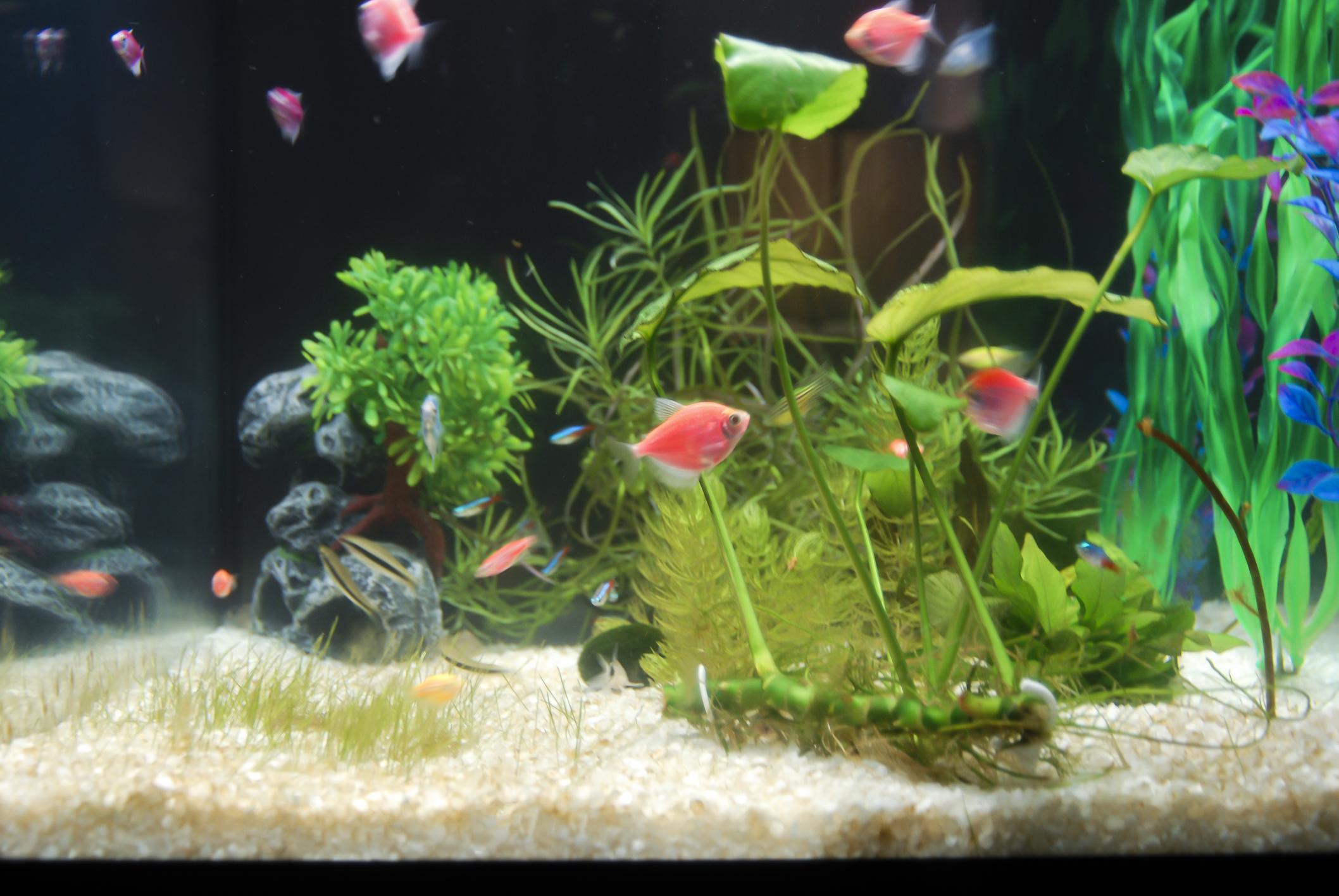
Keeping fish can be both relaxing and rewarding. A well-maintained aquarium not only enhances the beauty of a room but also provides a healthy environment where fish can live and thrive. Successful fish care requires attention to water quality, proper feeding, tank maintenance, and understanding the needs of different fish species.
This guide covers the essential steps every aquarist should follow to ensure their fish remain healthy and stress-free.
Understanding the Basics of Fish Care
Fish may appear low maintenance, but they depend entirely on their environment for survival. Unlike many pets, fish cannot escape poor conditions, making responsible care extremely important.
Key Elements for Healthy Fish
Successful fish care relies on maintaining a balanced ecosystem in the aquarium.
Important components include:
- Clean and stable water conditions
- Appropriate tank size
- Proper filtration
- Consistent feeding routines
- Suitable tank mates
A stable aquarium environment reduces stress and helps fish resist disease.
Choosing the Right Aquarium Setup
The foundation of proper fish care begins with selecting the right tank and equipment.
Tank Size Matters
Many beginners start with small tanks, but larger aquariums are often easier to maintain because they provide more stable water conditions.
Consider the following guidelines:
- Choose at least a 20-gallon tank for beginners when possible.
- Ensure fish have enough space to swim comfortably.
- Avoid overcrowding the aquarium.
Essential Aquarium Equipment
A well-equipped aquarium should include:
- Filtration system to remove waste and toxins
- Heater for tropical fish that require warm water
- Thermometer to monitor temperature
- Lighting system for fish and aquatic plants
- Gravel or substrate for biological filtration
These components help create a stable and healthy environment.
Maintaining Proper Water Quality
Water quality is the most critical factor in fish health. Poor water conditions are responsible for many aquarium problems.
Important Water Parameters
Aquarium owners should monitor:
- Temperature
- pH level
- Ammonia
- Nitrite
- Nitrate
High ammonia or nitrite levels can quickly become toxic to fish.
Regular Water Changes
Routine water changes help maintain clean water and remove harmful waste.
Best practices include:
- Replace 10–25% of the water weekly
- Use a dechlorinator when adding tap water
- Clean the substrate with a gravel vacuum
- Avoid changing all the water at once
Gradual changes keep the biological balance intact.
Feeding Fish Properly
Proper feeding ensures healthy growth, vibrant colors, and strong immunity.
Types of Fish Food
Fish diets vary depending on the species.
Common food options include:
- Flake food for many tropical fish
- Pellets for medium and large fish
- Frozen foods such as bloodworms or brine shrimp
- Algae wafers for bottom feeders
Providing a varied diet helps ensure balanced nutrition.
Avoid Overfeeding
Overfeeding is a common mistake that pollutes aquarium water.
Helpful feeding tips:
- Feed fish once or twice daily
- Provide only what fish can eat within 2–3 minutes
- Remove uneaten food if necessary
Balanced feeding helps maintain clean water and healthy fish.
Selecting Compatible Fish Species
Not all fish species get along in the same tank. Some fish are territorial, aggressive, or require special conditions.
Consider These Factors
Before adding fish, research their:
- Temperament
- Water requirements
- Adult size
- Schooling behavior
For example:
- Some fish prefer living in groups or schools
- Others require peaceful tank mates
- Certain species need specific water temperatures
Choosing compatible fish prevents stress and aggression.
Preventing Fish Diseases
Healthy fish are active, colorful, and responsive to feeding. Early detection of illness can prevent widespread problems in the aquarium.
Common Warning Signs
Watch for symptoms such as:
- White spots or unusual markings
- Torn fins
- Rapid breathing
- Lethargy
- Loss of appetite
- Fish hiding excessively
Disease Prevention Tips
Preventing illness is easier than treating it.
Good preventive practices include:
- Quarantining new fish before adding them to the tank
- Maintaining stable water conditions
- Avoiding overcrowding
- Feeding high-quality food
A well-maintained aquarium greatly reduces the risk of disease outbreaks.
Decorating and Enriching the Aquarium
Aquarium decorations not only improve visual appeal but also help fish feel secure.
Beneficial Aquarium Features
Consider adding:
- Live plants
- Rocks and caves
- Driftwood
- Aquarium backgrounds
These features provide hiding places and mimic natural habitats, reducing fish stress.
Conclusion
Fish care requires attention to water quality, proper nutrition, and a well-designed aquarium environment. With the right setup and regular maintenance, fish can live healthy and vibrant lives. Understanding the needs of each species and maintaining stable conditions will help create a thriving aquatic ecosystem in your home.
A properly cared-for aquarium can become a peaceful, fascinating centerpiece that both beginners and experienced aquarists enjoy.
Frequently Asked Questions (FAQ)
1. How long should a new aquarium run before adding fish?
A new aquarium should undergo the nitrogen cycle, which typically takes 2–6 weeks, before introducing fish.
2. How often should aquarium filters be cleaned?
Filters should usually be cleaned once every 3–4 weeks, but only with aquarium water to preserve beneficial bacteria.
3. Can different fish species live together in one tank?
Yes, but they must be compatible in temperament, size, and water requirements to prevent aggression and stress.
4. Do fish need light at night?
Fish need a regular day-night cycle, so aquarium lights should generally be turned off at night to allow them to rest.
5. How can I tell if my fish are happy?
Healthy fish typically show active swimming, bright colors, regular feeding behavior, and interaction with their environment.
6. Is tap water safe for aquariums?
Tap water can be used if treated with a water conditioner to remove chlorine and harmful chemicals.
7. What is the ideal temperature for tropical fish?
Most tropical fish thrive in temperatures between 24°C and 27°C (75°F–80°F), though specific requirements vary by species.