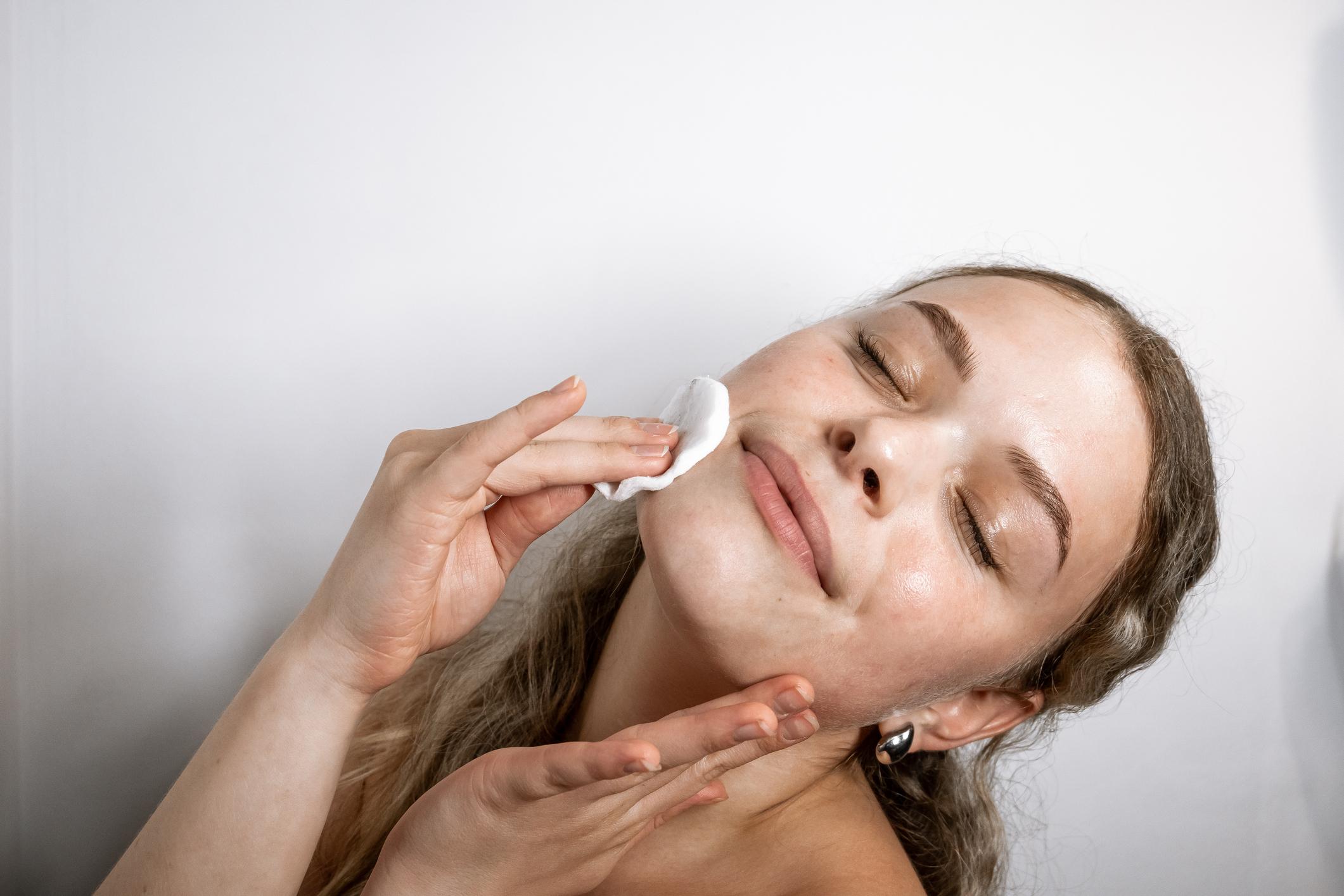
Healthy skin rarely comes from a single miracle product. Instead, it develops from a consistent routine that protects, cleanses, and nourishes the skin daily. Whether someone has dry, oily, or combination skin, following a structured skin care routine can improve texture, reduce breakouts, and slow visible aging.
A proper routine does not need dozens of products. In fact, most dermatologists agree that a few well-chosen steps performed consistently are far more effective than complicated regimens. Understanding each step helps ensure the skin receives the care it actually needs.
Why a Structured Skin Care Routine Matters
The skin is the body’s largest organ and acts as a barrier against environmental stressors like pollution, UV radiation, and bacteria. Without proper care, this barrier weakens, which may lead to dryness, acne, irritation, and premature aging.
A consistent routine helps to:
- Maintain the skin’s natural protective barrier
- Keep pores clean and prevent breakouts
- Improve hydration and elasticity
- Reduce signs of aging such as fine lines and dullness
- Protect skin from sun damage
Even a simple daily routine can significantly improve skin health over time.
Step 1: Cleansing
Cleansing is the foundation of any skincare routine. Throughout the day, the skin accumulates oil, sweat, dirt, pollution, and makeup residue. Cleansing removes these impurities and prepares the skin to absorb other products.
Best practices for cleansing:
- Wash the face twice daily (morning and night)
- Use lukewarm water, not hot water
- Choose a cleanser suitable for your skin type
- Gel cleansers for oily or acne-prone skin
- Cream cleansers for dry or sensitive skin
- Foaming cleansers for combination skin
Over-cleansing can strip the skin’s natural oils, so gentle products are ideal.
Step 2: Toning
Toners are designed to balance the skin’s pH level and remove any leftover impurities after cleansing. Modern toners often include beneficial ingredients that hydrate, calm, or refine pores.
Common toner benefits include:
- Restoring the skin’s natural pH balance
- Removing residual dirt or cleanser
- Preparing skin to absorb serums and moisturizers
- Providing light hydration
Alcohol-free toners are generally recommended, especially for sensitive or dry skin types.
Step 3: Applying Serums or Treatment Products
Serums contain high concentrations of active ingredients designed to target specific skin concerns such as wrinkles, pigmentation, or acne.
Popular serum ingredients include:
- Vitamin C – brightens skin and protects against environmental damage
- Hyaluronic acid – deeply hydrates and plumps skin
- Niacinamide – reduces redness and controls oil
- Retinol – supports collagen production and improves texture
Because serums are lightweight and concentrated, they should be applied before heavier creams or moisturizers.
Step 4: Moisturizing
Moisturizing helps lock in hydration and strengthen the skin barrier. Even oily skin requires moisturizer because dehydration can trigger excess oil production.
Key benefits of moisturizers:
- Prevent moisture loss
- Maintain soft and smooth skin
- Protect the skin barrier
- Improve overall skin texture
Choose moisturizers based on skin type:
- Lightweight gel moisturizers for oily skin
- Cream-based moisturizers for dry skin
- Fragrance-free formulas for sensitive skin
Using moisturizer both morning and night helps maintain consistent hydration.
Step 5: Sun Protection (Sunscreen)
Sunscreen is one of the most important steps in a skincare routine. Ultraviolet (UV) radiation accelerates aging, causes pigmentation, and increases the risk of skin damage.
Daily sunscreen use helps:
- Prevent premature wrinkles
- Reduce hyperpigmentation
- Protect against UV damage
- Maintain even skin tone
Dermatologists typically recommend broad-spectrum sunscreen with SPF 30 or higher, applied every morning and reapplied when exposed to sunlight for extended periods.
Optional but Beneficial Steps
While the core routine includes cleansing, toning, treatment, moisturizing, and sun protection, additional steps can enhance results.
Exfoliation
Exfoliating removes dead skin cells and helps unclog pores.
Types include:
- Physical exfoliants (scrubs)
- Chemical exfoliants (AHAs, BHAs)
Exfoliate 1–3 times per week depending on skin sensitivity.
Face Masks
Face masks deliver concentrated ingredients that address specific concerns such as hydration, detoxification, or brightening.
Eye Cream
Eye creams target the delicate skin around the eyes and may reduce puffiness, dark circles, and fine lines.
Tips for Building an Effective Routine
To get the best results from skincare products, keep these principles in mind:
- Consistency matters more than product quantity
- Introduce new products one at a time
- Patch-test new products to avoid irritation
- Avoid overloading the skin with too many active ingredients
- Drink enough water and maintain a balanced diet for overall skin health
Good skincare is a long-term commitment, and visible improvements usually appear after several weeks of consistent care.
FAQ: Essential Steps in a Skin Care Routine
1. How long should a skincare routine take?
A basic routine typically takes 5–10 minutes. The key is consistency rather than complexity.
2. Can I skip toner in my skincare routine?
Yes, toner is optional. However, it can provide additional hydration and help balance the skin after cleansing.
3. Is it necessary to use different routines for morning and night?
Morning routines focus on protection (especially sunscreen), while nighttime routines emphasize repair and hydration.
4. How do I know my skin type?
Skin types are usually classified as dry, oily, combination, sensitive, or normal. Observing oil levels, tightness, and breakouts can help determine your type.
5. When should I start using anti-aging products?
Many experts suggest introducing preventive products like antioxidant serums or retinol in the mid-20s or early 30s, depending on skin needs.
6. Can too many skincare products damage the skin?
Yes. Overusing active ingredients or layering too many products can cause irritation, breakouts, and sensitivity.
7. How long does it take to see results from a skincare routine?
Most skincare products show noticeable results within 4–8 weeks, as this aligns with the skin’s natural renewal cycle.