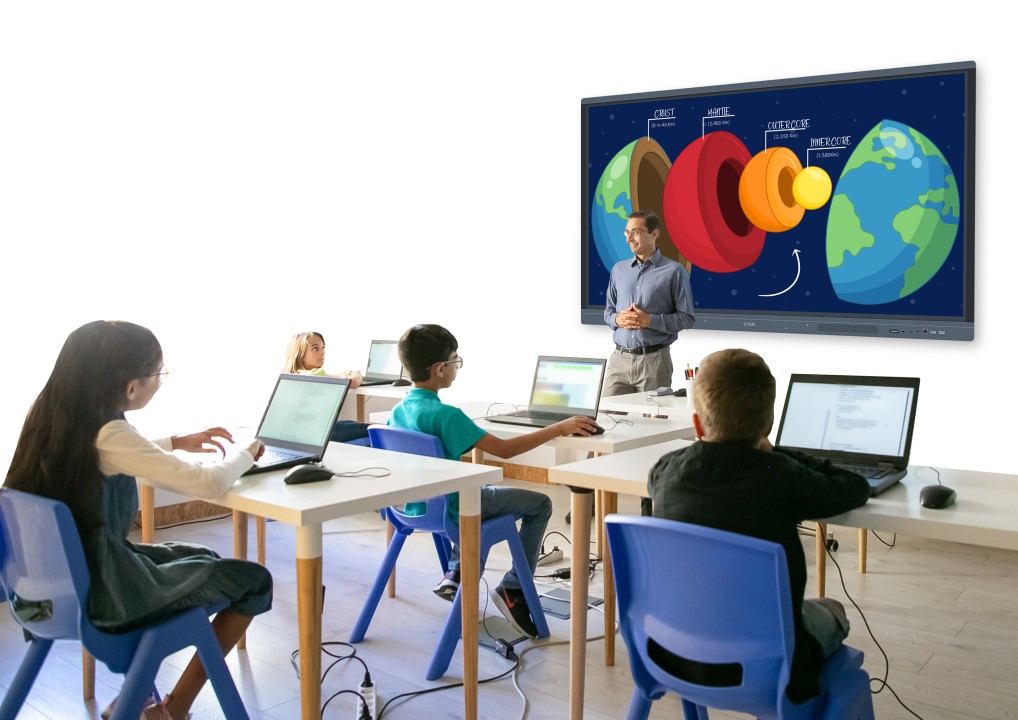
Education is evolving rapidly as technology, globalization, and changing workforce demands reshape how people learn. Traditional classroom methods are no longer the only way knowledge is delivered. Today, schools, universities, and training institutions are adopting modern teaching approaches that emphasize flexibility, technology integration, and skill development.
These new trends aim to make learning more engaging, accessible, and relevant to real-world challenges. As a result, students are gaining opportunities to learn in ways that were unimaginable just a few decades ago.
What Are Modern Trends in Education?
Modern trends in education refer to innovative teaching methods, learning technologies, and educational strategies that improve the learning experience. These trends focus on student-centered learning, digital tools, collaboration, and practical skills.
Rather than relying solely on lectures and textbooks, modern education encourages interactive and personalized learning environments where students actively participate in their own learning journey.
Integration of Digital Technology in Classrooms
Technology has become one of the most influential forces shaping modern education. Digital tools allow teachers to present information in more engaging and interactive ways.
Some commonly used technologies include:
- Smart boards and digital projectors
- Online learning platforms and learning management systems
- Educational mobile applications
- Virtual classrooms and video conferencing tools
- Digital textbooks and multimedia resources
These tools make lessons more dynamic and allow students to access educational resources from anywhere.
Rise of Online and Distance Learning
Online learning has become a major component of modern education. With the availability of high-speed internet and digital platforms, students can now access courses from institutions around the world.
Benefits of online learning include:
- Flexible schedules
- Access to global educational resources
- Self-paced learning
- Reduced travel and accommodation costs
- Opportunities for lifelong learning
Online education is particularly beneficial for working professionals and learners who cannot attend traditional classes.
Personalized Learning Approaches
Modern education increasingly focuses on personalized learning, where teaching methods are adapted to match each student’s abilities, interests, and learning pace.
Key features of personalized learning include:
- Adaptive learning technologies
- Customized lesson plans
- Individual feedback and progress tracking
- Flexible assessment methods
This approach ensures that students receive the support they need to succeed while encouraging independent learning.
Emphasis on Skill-Based Education
Employers today seek individuals who possess practical skills rather than only theoretical knowledge. As a result, educational institutions are shifting toward skill-based learning models.
Important skills promoted through modern education include:
- Critical thinking and problem-solving
- Communication and teamwork
- Digital literacy
- Creativity and innovation
- Leadership and adaptability
Programs such as vocational training, internships, and project-based learning help students gain hands-on experience.
Blended Learning Models
Blended learning combines traditional classroom instruction with digital learning tools. This approach offers the advantages of both face-to-face teaching and online education.
Common features of blended learning include:
- Online course materials and lectures
- In-class discussions and activities
- Interactive assignments and quizzes
- Collaborative projects using digital platforms
Blended learning allows students to review materials at their own pace while still benefiting from direct interaction with teachers.
Artificial Intelligence and Data-Driven Education
Artificial intelligence is gradually transforming the education sector by enabling smarter and more efficient learning systems.
Applications of AI in education include:
- Intelligent tutoring systems
- Automated grading and feedback
- Personalized learning recommendations
- Predictive analytics to track student performance
- Virtual learning assistants
These technologies help educators understand student needs better and improve learning outcomes.
Global Collaboration and Cross-Cultural Learning
Modern education encourages global connectivity and collaboration. Students can interact with peers from different countries through virtual classrooms, international projects, and digital communication tools.
This global approach helps students develop:
- Cultural awareness
- International perspectives
- Collaborative problem-solving skills
- Global communication abilities
Such experiences prepare students for a highly interconnected world.
Challenges of Modern Educational Trends
While modern trends offer numerous advantages, they also present certain challenges that institutions must address.
Some common challenges include:
- Limited access to digital infrastructure in some regions
- Need for teacher training in new technologies
- Digital distractions affecting student focus
- Data privacy and cybersecurity concerns
- Unequal access to online resources
Addressing these issues is essential to ensure that technological advancements benefit all learners equally.
Conclusion
Modern trends in education are reshaping how knowledge is delivered and experienced. From digital classrooms and online learning platforms to personalized teaching methods and artificial intelligence, education is becoming more flexible, interactive, and skill-oriented.
These innovations aim to prepare students not only for academic success but also for the complex challenges of the modern workforce. By embracing new technologies and teaching strategies, education systems can create more inclusive and effective learning environments for future generations.
Frequently Asked Questions (FAQs)
1. Why are modern trends important in education?
Modern trends help education systems adapt to technological advancements, changing workforce demands, and new learning styles, making education more effective and relevant.
2. What is the role of technology in modern classrooms?
Technology enhances teaching through interactive tools, online resources, digital collaboration, and improved access to information.
3. How does blended learning improve student learning?
Blended learning combines online materials with classroom interaction, allowing students to learn at their own pace while still receiving guidance from teachers.
4. What skills are emphasized in modern education systems?
Modern education focuses on critical thinking, creativity, digital literacy, collaboration, and problem-solving skills.
5. Can online learning replace traditional classroom education?
Online learning provides flexibility and accessibility, but traditional classrooms still offer valuable social interaction and structured learning environments.
6. How does artificial intelligence support education?
Artificial intelligence can analyze learning patterns, provide personalized recommendations, automate grading, and offer intelligent tutoring support.
7. What challenges come with adopting modern educational technologies?
Challenges include digital inequality, infrastructure limitations, the need for teacher training, and concerns about data privacy and cybersecurity.